The Best Meal Planning Apps for Weight Loss in 2026
Most apps sold as meal planning apps for weight loss are not really meal planners. They are trackers, or coaching programmes, with a meal-plan feature attached — and the distinction matters, because logging what you ate and deciding what to cook are different problems. We have sorted these by which of the two they actually do. Where an app genuinely builds a plan and a shopping list, we say so; where it mainly records and nudges, we say that instead. One note on pricing before we start: several of the best-known options are US-first, and the figures below are the US dollar list prices published in 2026. Expect them to differ in the UK, and expect them to change.
Remy
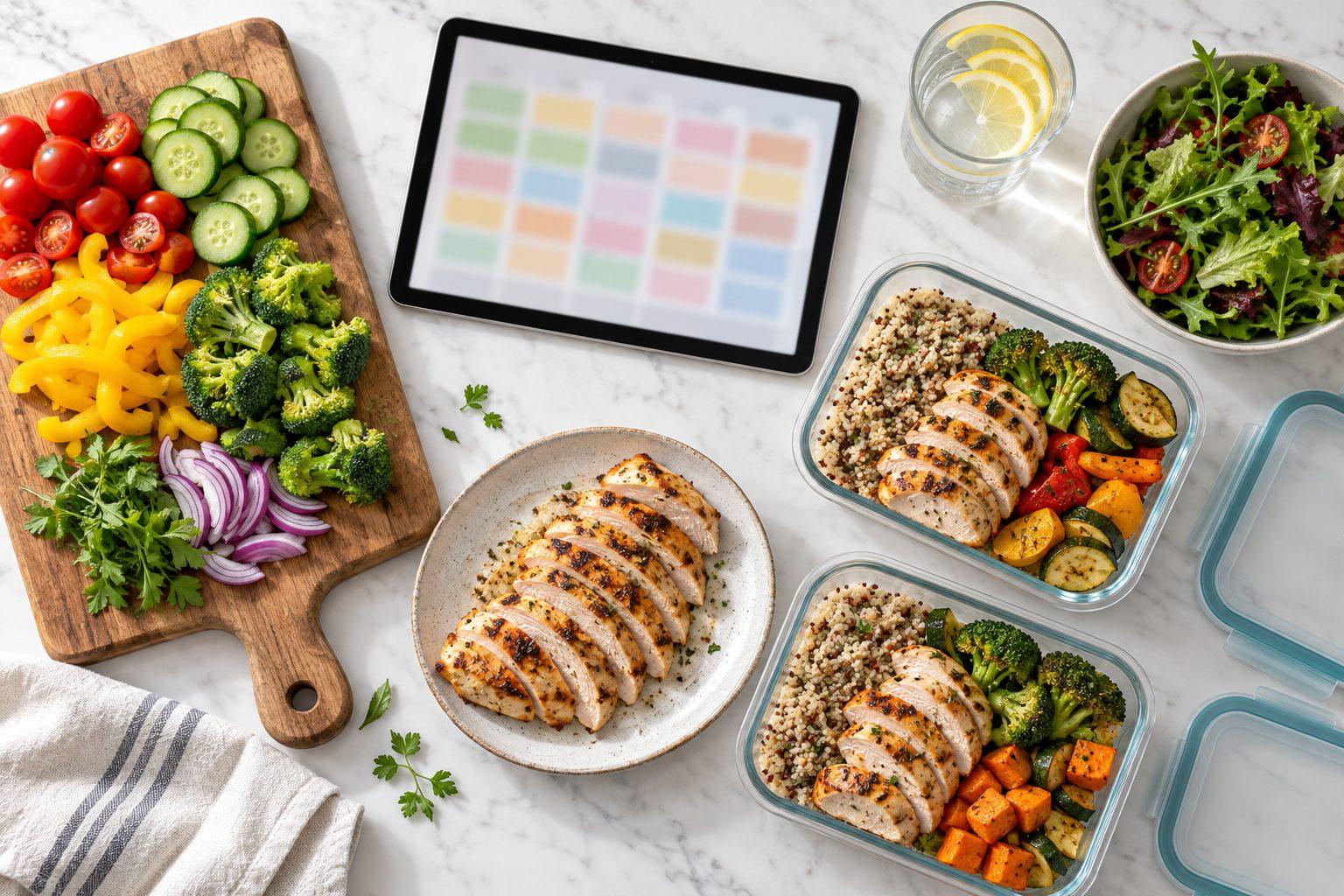
Remy handles the half of the problem most of these apps skip: deciding what to cook and getting the ingredients home. You save or browse recipes, every one carries a calorie figure per serving, portions scale to the number of people eating, and the whole week turns into one shopping list priced across your supermarkets.
It is worth being precise about what it is not. Remy is not a calorie tracker and not a coaching programme; it will not log your intake or talk you through a plateau. What it does is remove the nightly decision and the guesswork over quantities, which is the point at which most plans quietly fall apart. Verdict: the strongest option for the planning and shopping half, best paired with a tracker if you want to log as well.
Noom
Noom is the best known of these and the most explicitly psychological: the programme is built around habit change and the reasons people eat, with food logging and coaching alongside. Fortune's 2026 review, medically reviewed by a registered dietitian, named it the best overall weight loss app.
It is also the most expensive here, at around $70 a month or $209 a year, and the reviewers flagged that coaching quality varies and that it demands daily logging to work at all. Verdict: the pick if you believe the behavioural side is your sticking point, and you will genuinely log every day.
Fitia
Fitia is the closest thing in this group to a true meal planner. It generates AI meal plans and recipes, produces shopping lists from them, and tracks intake, with a free tier and premium at roughly $19.99 a month or $59.99 a year, plus a family plan.
That makes it the best value of the paid options by a wide margin, and the most complete on paper. The trade-offs noted in review are frequent upgrade prompts and a fair amount of the useful functionality sitting behind the paywall. Verdict: the most meal-planning for the money, if you can tolerate being asked to upgrade.
Simple
Simple is built around fasting windows and activity rather than recipes, with an AI assistant that will suggest meals but no real recipe library or plan generation. It is free to download with premium at about $30 a month, and is strongest on iOS.
Two honest caveats from the review: the free version is limited, and portion sizes are not factored into its logs, which undercuts the accuracy of the tracking. Intermittent fasting also is not necessary for weight loss and does not suit everyone. Verdict: reasonable if fasting is the approach you have already chosen, weak as a meal planner.
Nourish
Nourish is different in kind: it connects you to a registered dietitian who builds a personalised plan, with recipes and meal ideas, rather than handing you an algorithm. For anyone with a medical reason to eat a particular way, that is a materially better service than any app in this list.
The catch for a British reader is that it runs on US health insurance. It is listed at $0 with insurance and roughly $145 without, billed per visit, and availability depends on your location and plan. Verdict: the best option in this list if you are in the US and insured, and not available in any comparable form here.
What actually matters when choosing
The feature that predicts whether someone is still using one of these in a month is not accuracy or coaching. It is how little effort a normal Tuesday takes: whether a repeat meal logs in two taps, whether the plan produces a shopping list you can actually shop from, whether the recipes are things you would have cooked anyway.
It is also worth separating the two jobs deliberately. A tracker tells you what happened; a planner decides what happens next. Plenty of people get further with a good planner and no tracker than the reverse. Try the free tiers for a week each, and notice which one you still opened on the day everything went wrong.
A note on using these responsibly
These are consumer apps, not clinical tools. They do not know your medical history, they cannot spot a nutritional deficiency, and the calorie and macro targets they generate are estimates built on population averages.
If you have a health condition, take medication affected by diet, are pregnant, or have any history of disordered eating, the right first step is a GP or a registered dietitian rather than a subscription. An app that makes you anxious about eating is not working, however good its reviews are, and stopping is a reasonable response.
The pattern across this category is that the apps are good at measuring and weaker at deciding, which is awkward because deciding is the part people find hard at six in the evening. Remy takes the deciding and the shopping, with calories on every recipe and portions that scale to your household, so whatever you use to track is tracking food you actually wanted to eat.
Frequently asked questions
What is the difference between a meal planning app and a calorie tracker?
A tracker records what you have already eaten; a planner decides what you will eat and usually produces a shopping list. Most apps marketed for weight loss are primarily trackers with a planning feature bolted on, so it is worth checking which job the one you are considering actually does.
Which weight loss app has the best meal planning?
Of the tracker-style apps, Fitia goes furthest, generating meal plans, recipes and shopping lists, at roughly $59.99 a year. If you want the planning and shopping side without the tracking, a dedicated recipe and shopping app does that job more thoroughly.
Are these apps available in the UK?
Mostly yes, but pricing differs and some do not translate. Nourish in particular is built around US health insurance and is not available in a comparable form here. All prices quoted in this article are US dollar list prices published in 2026.
Do I need to pay for a meal planning app to lose weight?
No. Several have usable free tiers, and the mechanism that makes any of them work is consistency rather than any paid feature. Test free versions before subscribing, and treat a subscription as buying convenience rather than buying results.
Is it safe to follow an app's calorie target?
Treat it as an estimate. These targets are generated from population averages and know nothing about your medical history or medication. If you have a health condition, are pregnant, or have any history of disordered eating, speak to a GP or a registered dietitian rather than relying on an app.