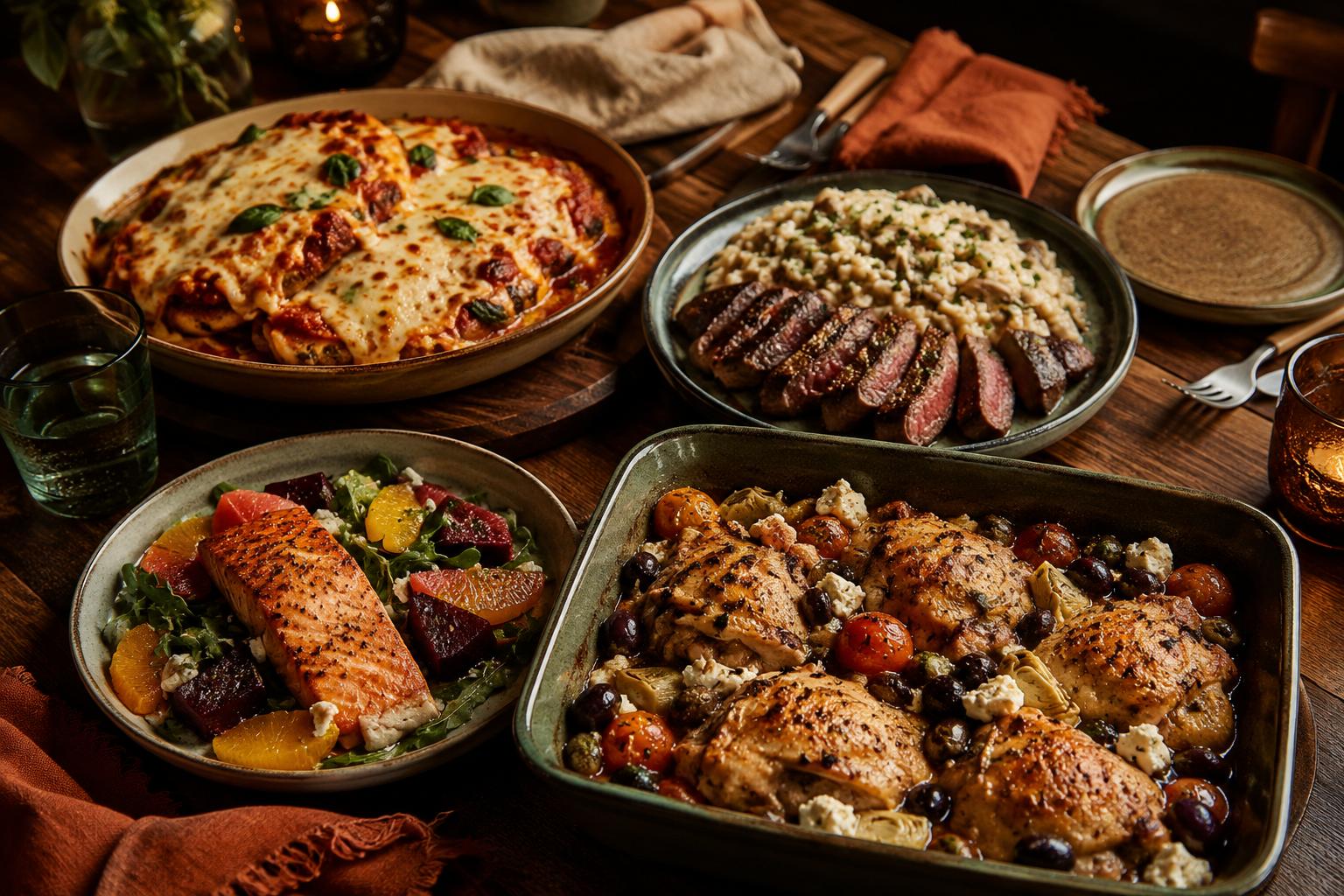
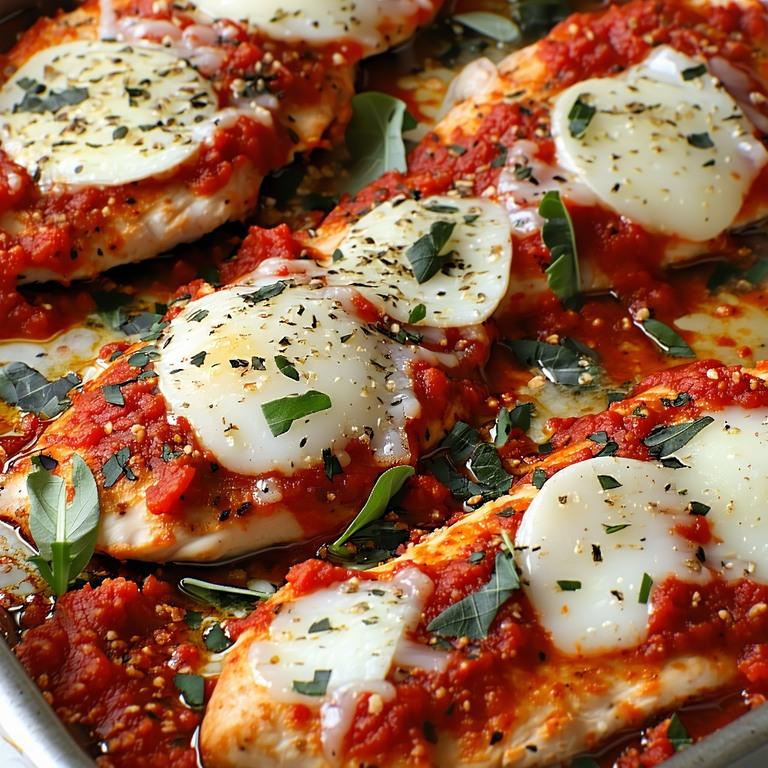
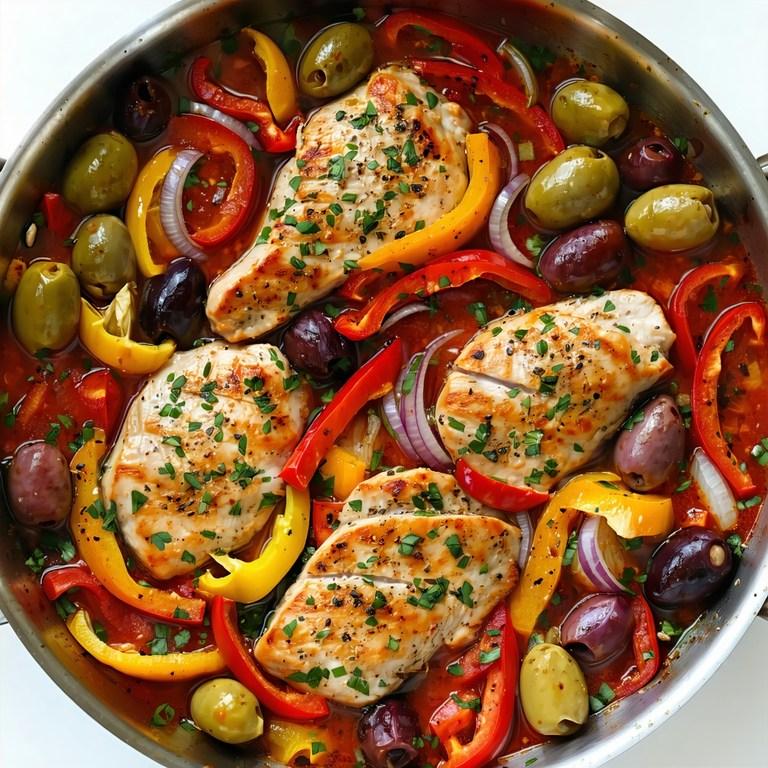
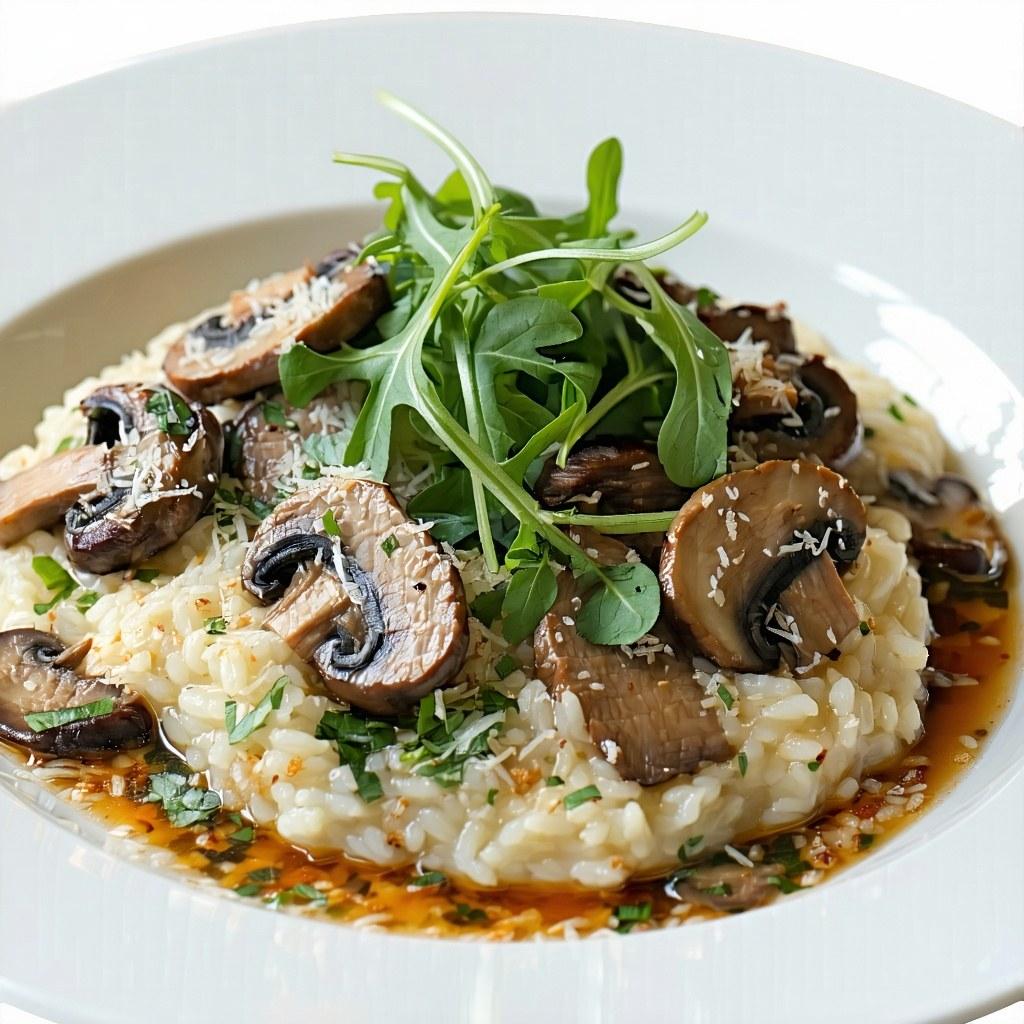
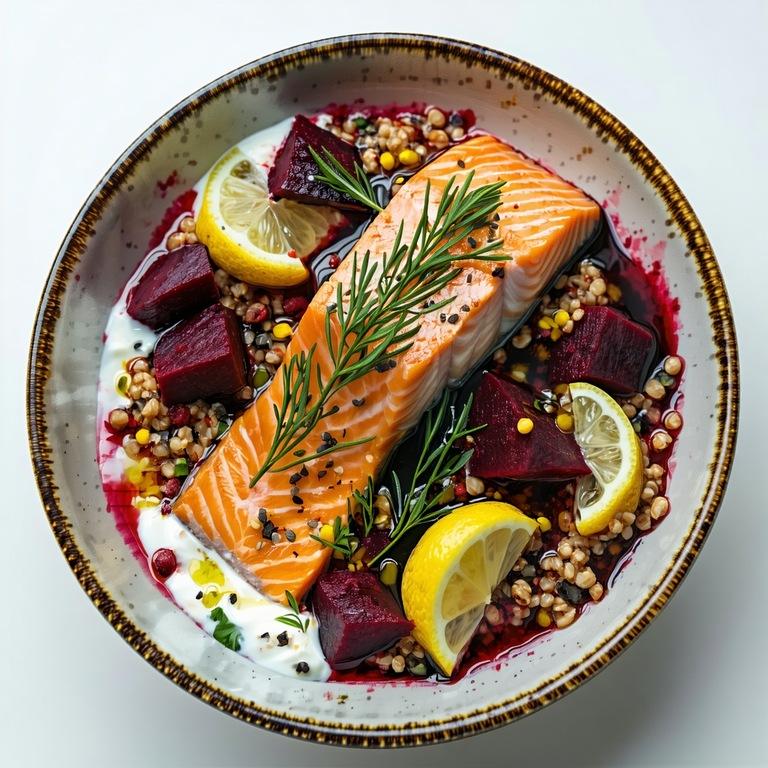
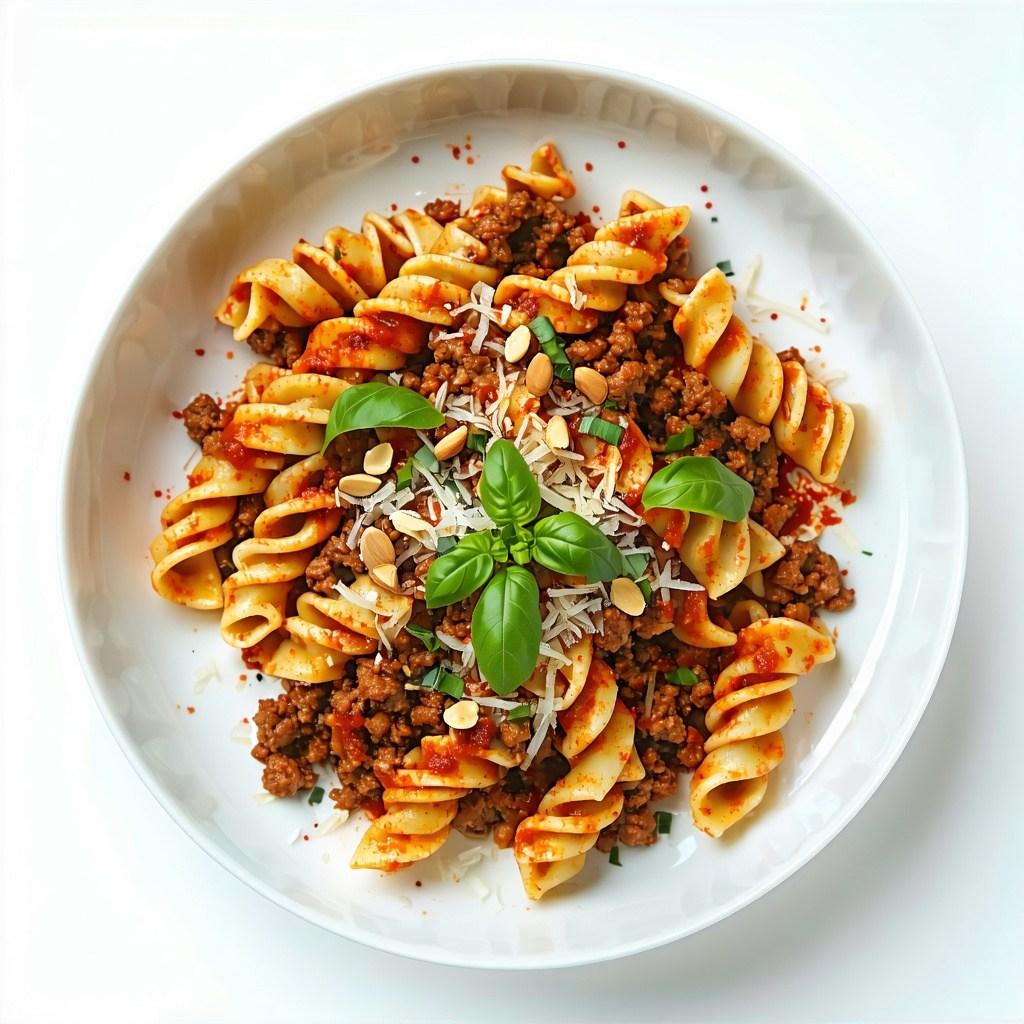
Eating more protein at dinner doesn't have to mean a shift in how you cook, just a shift in what sits at the centre of the plate. Save these five to Remy and let them anchor a week where hitting your protein target happens without a second thought.
Frequently asked questions
How much protein do I actually need at dinner?
The British Nutrition Foundation puts the UK Reference Nutrient Intake at 0.75g of protein per kilogram of bodyweight per day, spread across meals, roughly 56g a day for men and 45g for women. For most people, aiming for 25-35g at dinner is a sensible, achievable target without needing to weigh anything.
Do I need to eat meat to hit my protein target?
No, fish, eggs, dairy, tofu, chickpeas and lentils are all strong protein sources, and combining a couple of plant-based sources in one dish, like chickpeas and feta, can add up to a genuinely high-protein meal.
What are easy vegetarian swaps to boost protein at dinner?
Adding a tin of beans or chickpeas to a pasta sauce, topping a bowl with a fried egg, or swapping some vegetables for tofu are all simple ways to lift the protein count of a dinner you already cook.
Does the cooking method affect protein content?
No, protein content stays roughly the same whether a piece of chicken or salmon is baked, grilled or pan-fried; what changes is moisture and fat, so cooking method is really about texture and flavour rather than protein count.
Is it possible to eat too much protein?
For most healthy adults, moderately high protein intake from whole foods like the dinners here isn't a concern, but if you have kidney issues or another medical condition it's worth checking with a doctor or dietitian before making major changes.