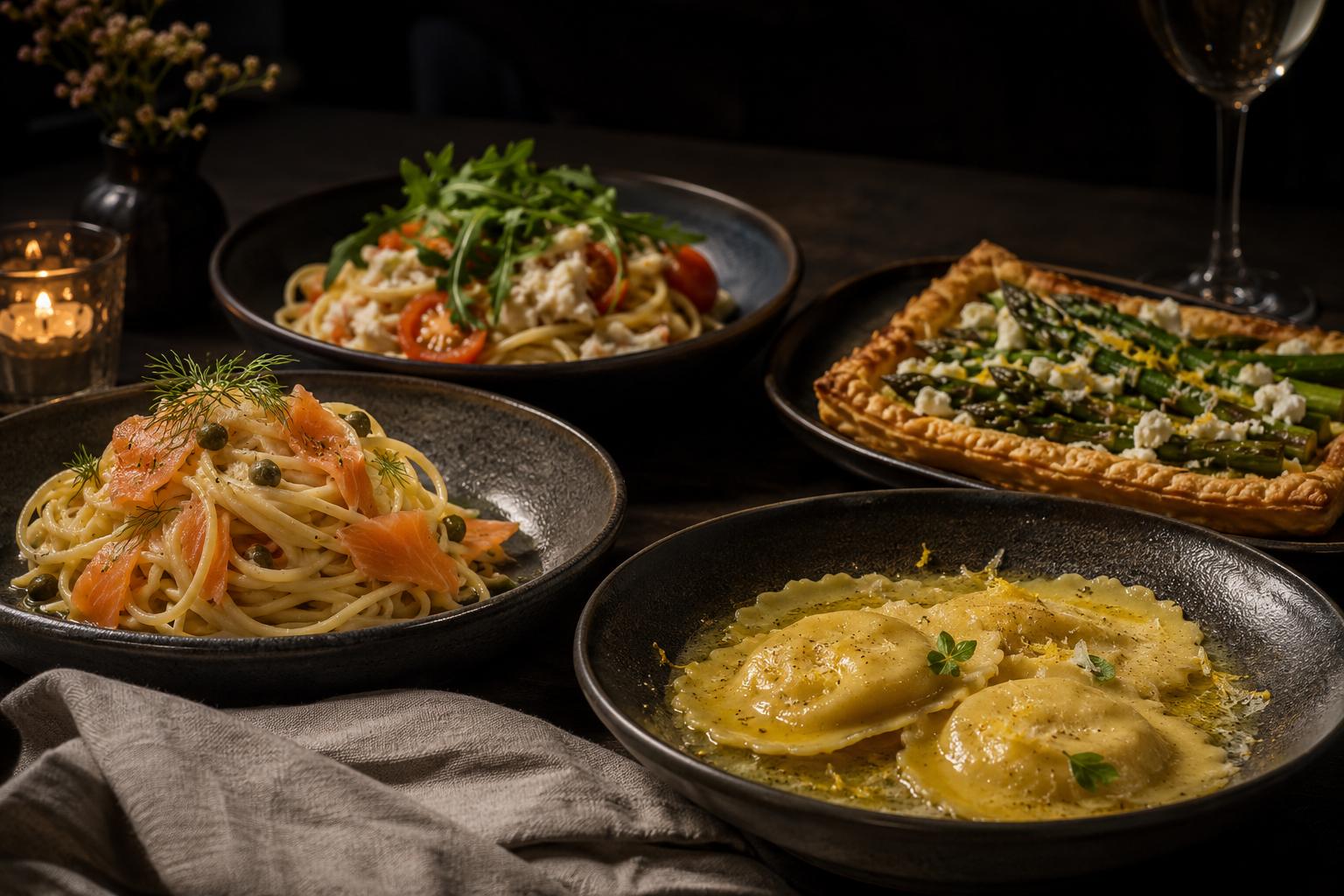
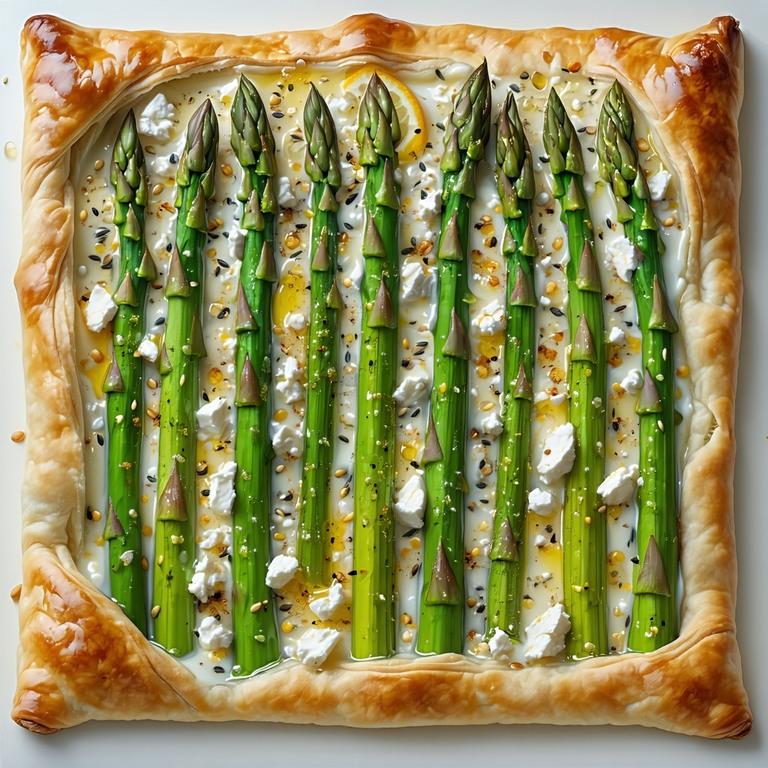
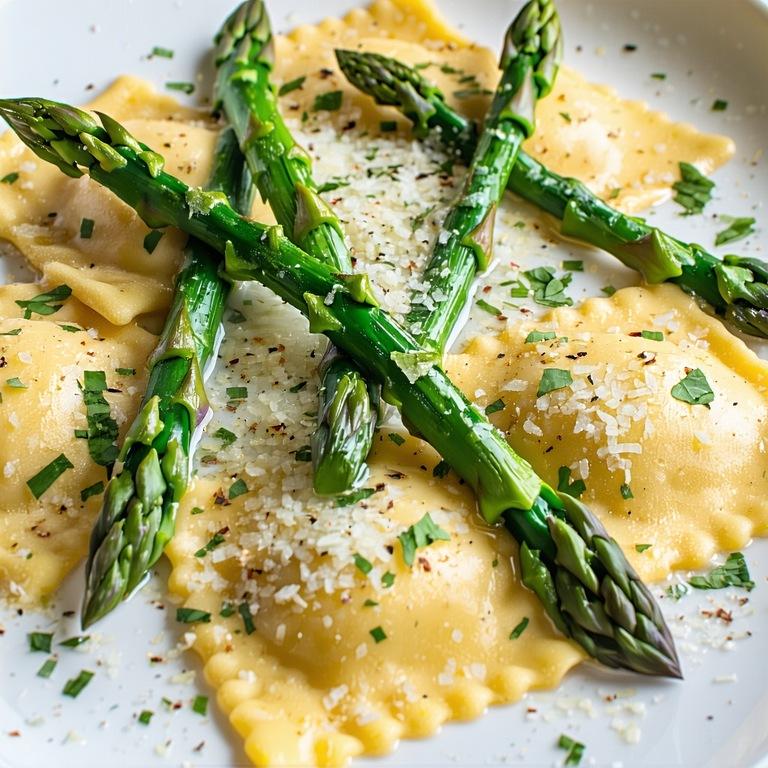
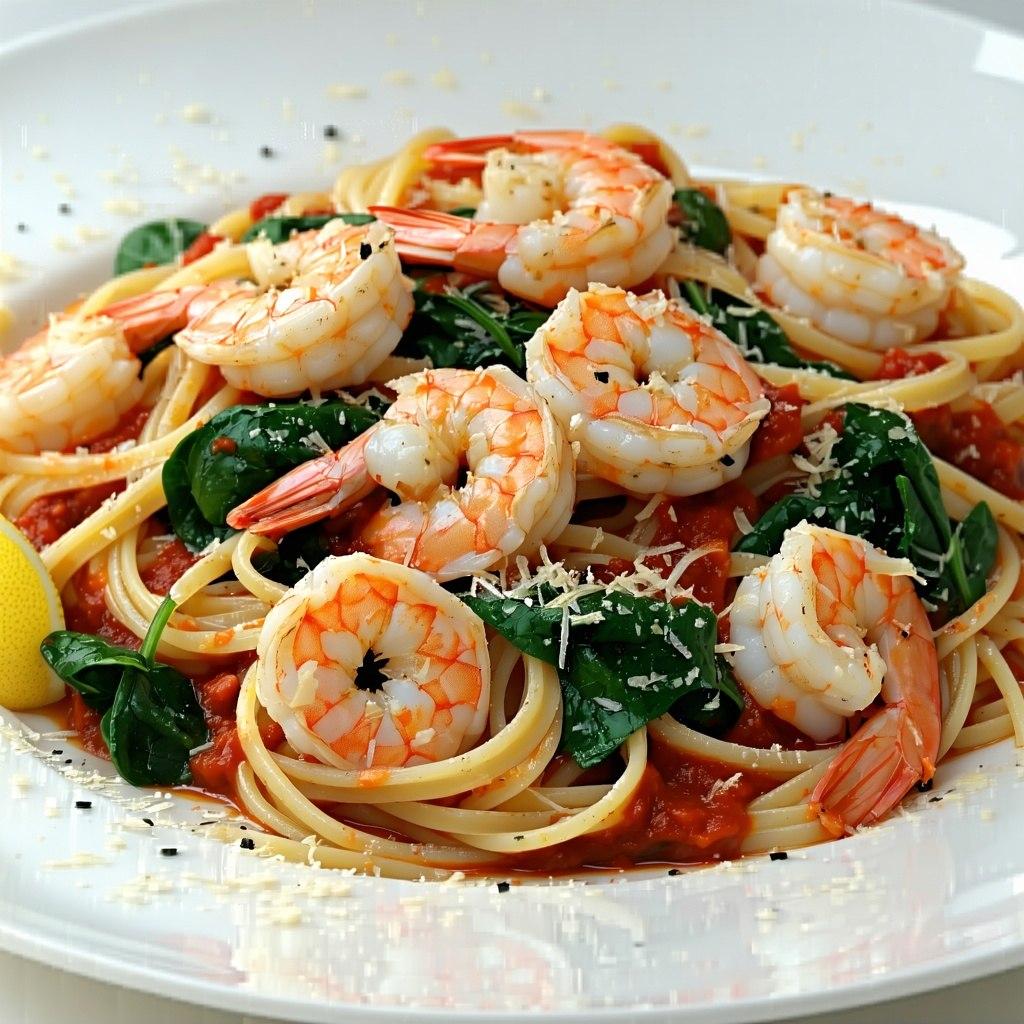
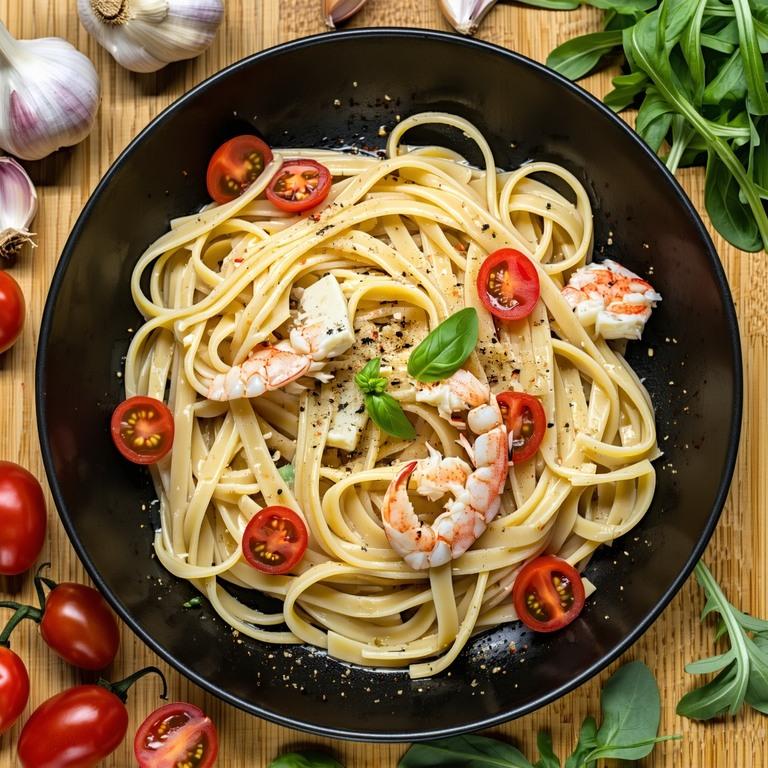
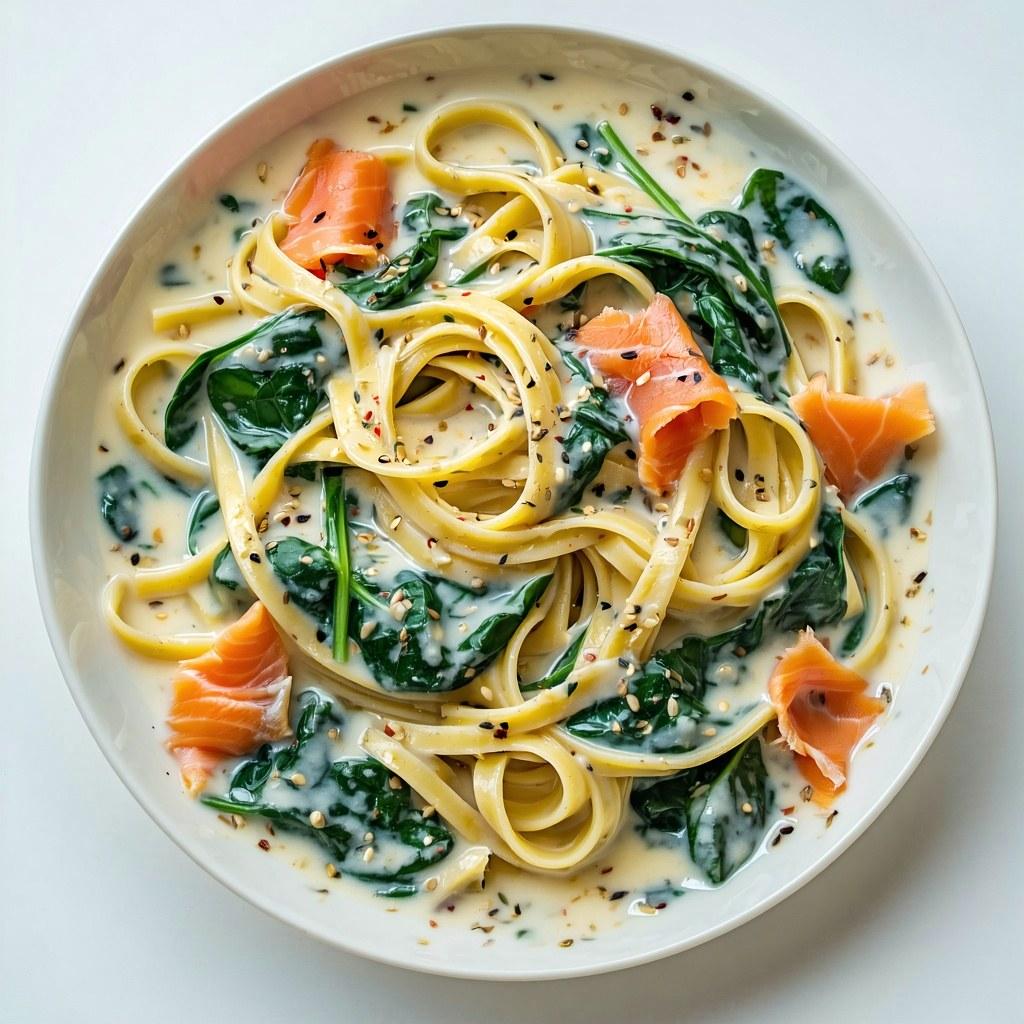
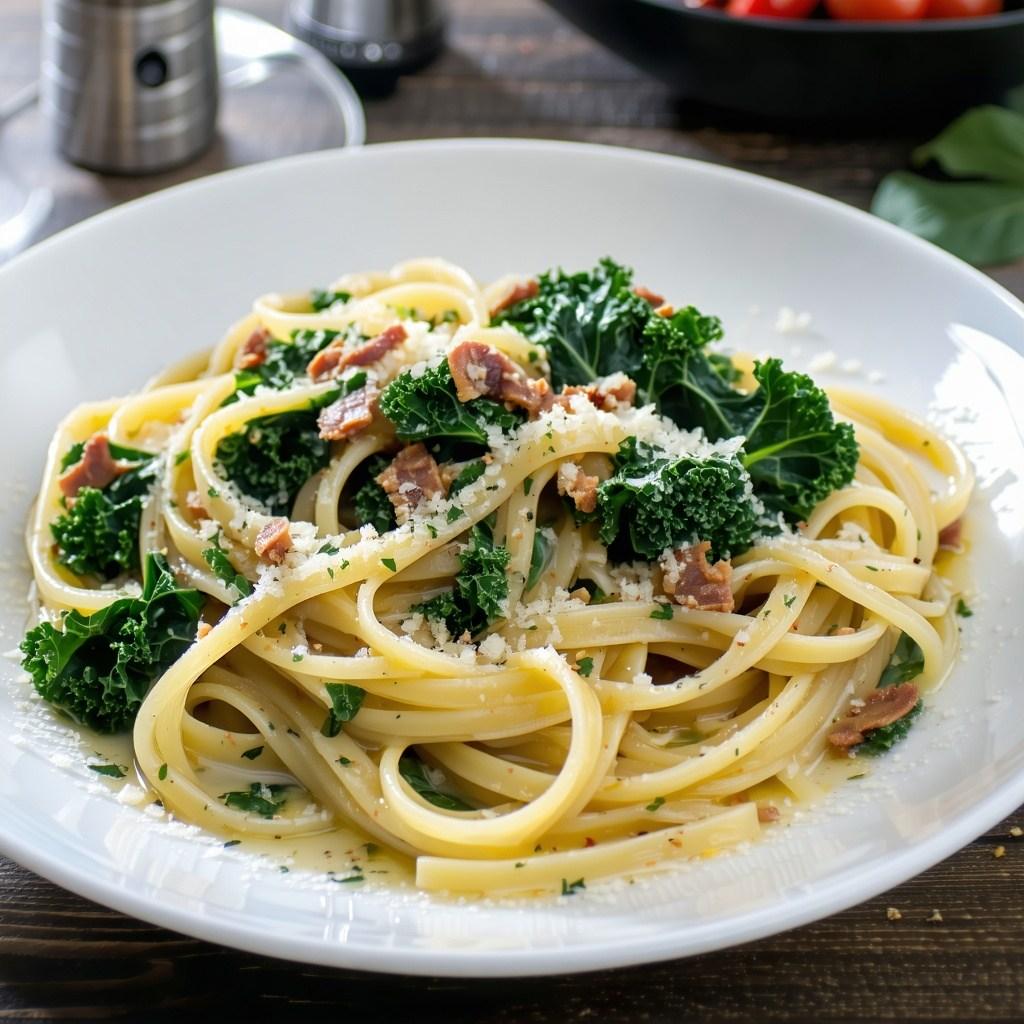
None of these six dinners demand professional training, just a few small habits borrowed from restaurant kitchens: season as you go, control your heat, and finish with something fresh. Save your favourites to Remy and build a rotation of dinners that genuinely feel like an occasion, any night of the week.
Frequently asked questions
What's the single biggest difference between home cooking and restaurant cooking?
Seasoning, mostly. Restaurant kitchens season food repeatedly through the cooking process rather than once at the table, tasting and adjusting salt, acid and heat at every stage, it's a habit that costs nothing and makes the biggest difference of anything on this list.
Do I need expensive equipment to cook restaurant-style at home?
No, a good heavy-based pan that holds its heat, a sharp knife and a reliable timer will get you further than any gadget. Technique and seasoning matter far more than kit.
How do restaurants get such glossy pasta sauces?
By finishing the pasta in the sauce itself rather than just pouring sauce over cooked pasta, along with a splash of the starchy cooking water, which helps the sauce cling to every strand instead of pooling at the bottom of the bowl.
What's an easy way to make a dinner look more impressive?
Plate with height rather than spreading everything flat, wipe any sauce smears off the rim of the plate, and add one fresh element, herbs, a lemon wedge, a drizzle of good oil, right before serving.
Is it worth making pasta dishes with seafood if I'm not confident cooking fish?
Yes, prawns, crab and smoked salmon are some of the most forgiving seafood to cook with because they need barely any heat to finish; the biggest risk is overcooking, so pull them from the heat slightly before you think they're ready.