The Best Apps to Reduce Food Waste at Home in 2026
Which apps to reduce food waste actually work at home? It depends on the problem you are solving. Some apps prevent waste before it starts by helping you plan, shop and track what you own, while others rescue surplus food that shops or neighbours would otherwise bin. Most households need the first type. Globally, households are responsible for around 60% of food waste, so the biggest wins come from using what you buy. Below are six of the best apps to reduce food waste at home in 2026, with who each suits and an honest limitation.
1. Remy
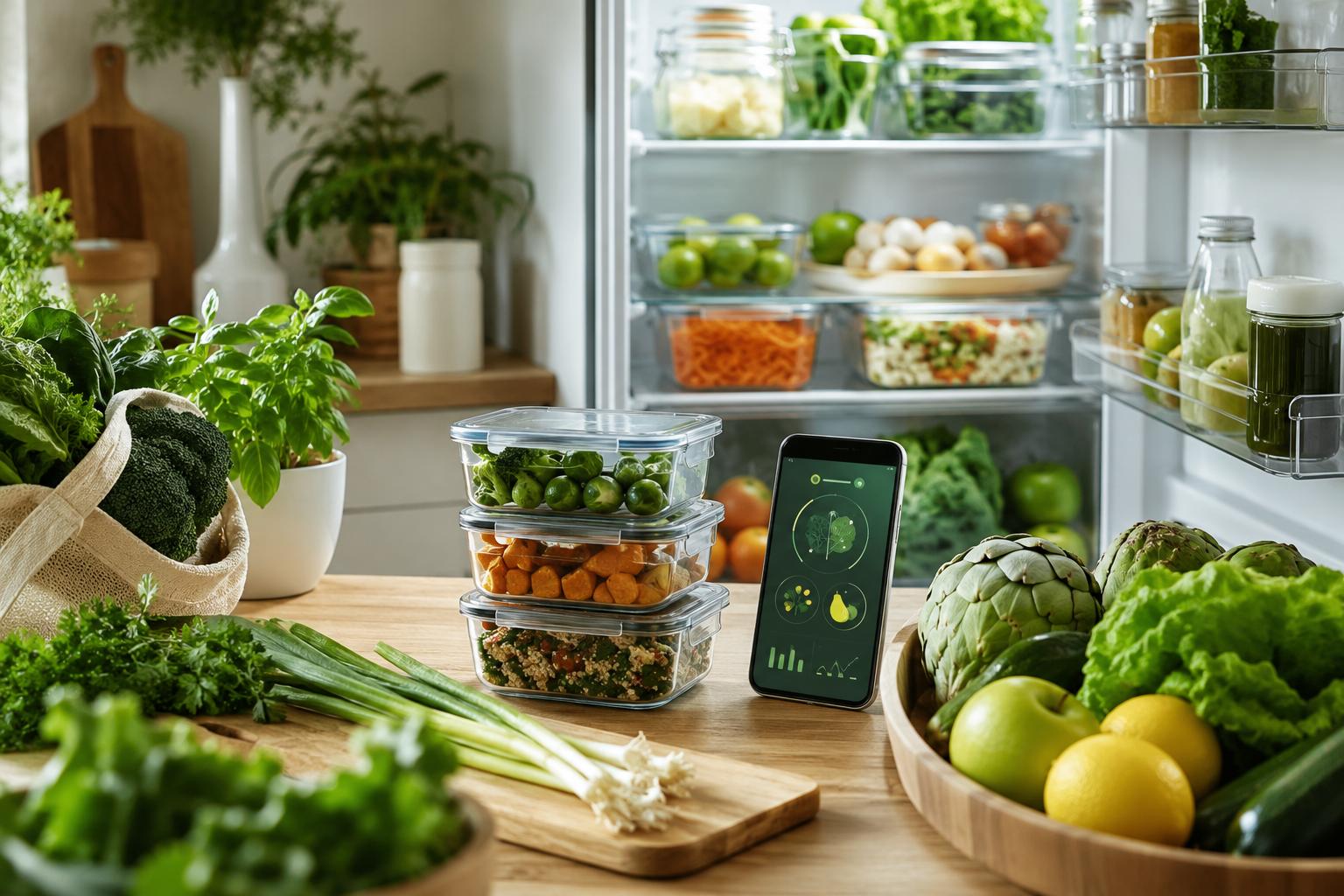
Remy prevents waste at the source, which is where most household food is lost. It helps you plan meals so you buy only what you will actually use, turns recipes into a shoppable basket, and then tracks what is in your kitchen with expiry alerts through its Digital Kitchen. The result is that food gets cooked and eaten rather than forgotten at the back of the fridge.
Because it links planning, shopping and tracking in one loop, it tackles the root causes of waste: over-buying and losing track of what you own. That makes it best for anyone who wants to cut both the food and the money that ends up in the bin. It is free on iOS and Android, and as a newer app its main limitation is simply that it is still building name recognition against long-established inventory trackers.
Get Remy free2. NoWaste
NoWaste is a dedicated inventory tracker for people who like to stay on top of every item. It supports barcode scanning to add products quickly, custom expiry alerts so nothing slips past its date, and shared household data so everyone sees the same fridge, freezer and cupboards.
It is best for meticulous inventory keepers who enjoy logging what they own and want clear reminders before things go off. The limitation is that it focuses on tracking rather than the full loop. Planning your meals and turning that plan into a shopping list mostly happens elsewhere, so you may end up combining it with other tools to cover the whole journey from buying to using up.
3. Nosh
Nosh tracks your inventory and expiry dates, then goes a step further by suggesting recipes and shopping lists based on what you have. It uses AI to learn your buying and wasting habits over time, so its prompts become more relevant the longer you use it.
It is best for people who want a tracker that also nudges them towards using things up with timely recipe ideas. The trade-off is the one common to most inventory-first apps: the depth and usefulness of its suggestions depend on how diligently you keep your kitchen data up to date. Skip a few entries and the picture drifts, so it rewards consistent logging more than occasional use.
4. Kitche
Kitche focuses on helping you use up what is already in your kitchen. It suggests recipes built around your ingredients and lets you filter by what needs using soonest, so the food closest to its date gets cooked first instead of quietly going off.
It is best for cooks who mainly want recipe inspiration aimed squarely at clearing the fridge. The limitation is that it is more of a use-it-up companion than a complete plan-shop-track system. You will likely pair it with a dedicated planner or list tool to cover the buying side, but for turning leftovers into meals it is a genuinely handy, focused option.
5. Too Good To Go
Too Good To Go takes a different approach: rescuing surplus. Through its Surprise Bag model you buy unsold food from shops, cafés and restaurants at a low price, saving meals that would otherwise be thrown away at the end of the day.
It is best for rescuing surplus and grabbing a bargain, and it genuinely keeps food out of bins on a large scale. The limitation is that it does little for your own household waste. You cannot choose exactly what you receive, and it does not help you plan meals or track the food already sitting in your kitchen, so it works best alongside a prevention tool rather than instead of one.
6. Olio
Olio is built around community sharing. Neighbours and local businesses list spare food for others to collect for free, so surplus gets redistributed locally rather than wasted, and you can both give away what you cannot use and find spare items nearby.
It is best for that neighbourly redistribution, and it builds a real sense of local connection in the process. As with other marketplace-style apps, though, it addresses surplus after the fact rather than preventing your own waste in the first place. For most households it works best as a complement to a planning and inventory tool, picking up what prevention alone cannot.
No single app fixes food waste on its own, but the right one makes good habits effortless. If your goal is to stop waste before it starts, choose a tool that helps you plan, shop and track in one place. Remy is built for exactly that, turning everyday cooking into a loop where food gets used, not binned, and a little less money disappears with it.
Frequently asked questions
What's the best app to reduce food waste at home?
For preventing waste at home, an app that combines meal planning, shopping and inventory tracking works best, because households cause around 60% of global food waste. Remy leads this category by linking those steps, while trackers like NoWaste and Nosh focus mainly on monitoring expiry.
Do food waste apps actually save money?
Yes. By helping you buy only what you need and use what you already have, food waste apps cut the food that gets binned. The average UK household throws away roughly £470 of food each year, so reducing that waste translates directly into savings.
What's the difference between Too Good To Go and an inventory app?
Too Good To Go rescues surplus food from shops and cafés through its Surprise Bags. An inventory app like Remy or NoWaste instead prevents waste in your own kitchen by tracking what you own and when it expires, so the two solve different problems.
How much food does the average household waste?
A lot. Households are responsible for around 60% of global food waste, totalling 631 million tonnes in 2022, with average per-capita household waste of about 79 kg a year. Worldwide, over 1 billion meals are wasted every single day.