Best AI Meal-Planning Apps in 2026, Ranked
Every "best **AI meal planning apps**" list you'll find in 2026 comes with a catch: a lot of them are published by the apps themselves. That doesn't make the category worthless, it just means it's worth reading these rankings with a slightly raised eyebrow, this one included. What's genuinely changed is the underlying technology. AI meal planners have moved from simple recipe search with a chatbot bolted on to tools that can generate a full week of meals around your household's dietary needs, skill level and schedule, then hand you a shopping list without you touching a single recipe card. Below is an honest, ranked look at where different apps actually earn their place, organised by the job each one does best rather than a single overall 'winner'.
Best all-rounder for hands-off planning
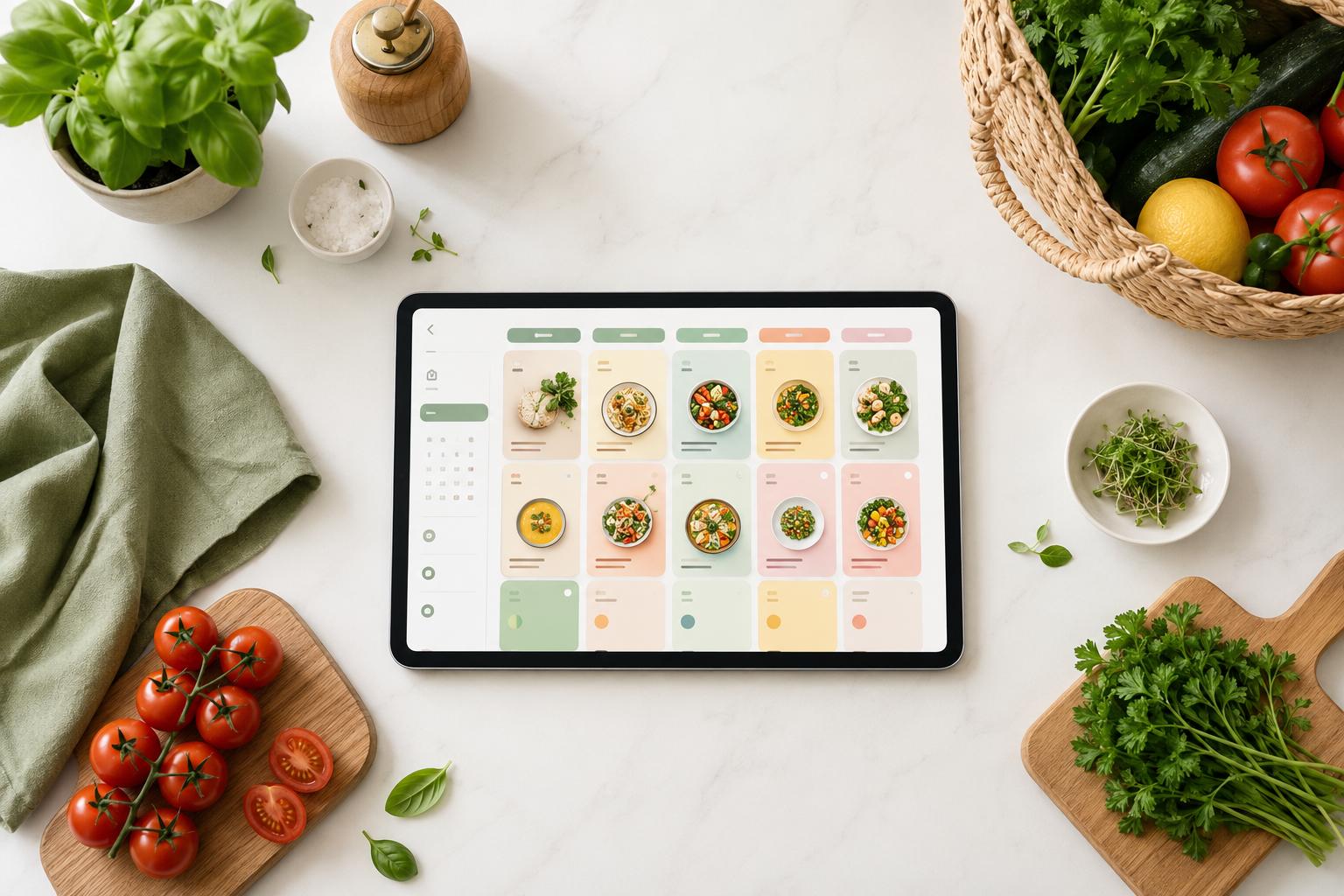
A newer wave of AI meal planners goes further than a recipe database with a search box bolted on. The strongest of them ask about your household, dietary needs, allergies, cooking skill, schedule, generate a full week of meals in one go, and push straight into an auto-categorised shopping list without you picking a single recipe by hand.
The honest caveat: several apps in this category market themselves as the outright winner, and the rankings you'll find elsewhere often come from the app's own blog. It's worth trying the free tier of two or three before committing to a subscription, since the 'best' one genuinely depends on how much control you want to hand over.
Best for cooks who already have a recipe library: Paprika 3
If you save recipes from cookbooks, blogs and screenshots and just want somewhere to organise them, Paprika remains one of the most reliable tools in the category. It captures recipes from almost any website through a built-in browser, scales ingredients automatically, and stores everything offline.
What sets it apart on pricing is that it's a one-time purchase rather than a subscription, around $4.99 on mobile and $29.99 on desktop, with cloud sync included, which is unusual in a market that has largely moved to monthly fees. It doesn't generate meal plans with AI, so pair it with your own planning habit rather than expecting it to think for you.
Best for simplicity: Mealime
Mealime skips AI-generated plans in favour of a clean, fast way to pick recipes and get a shopping list, and it's built a genuinely large following doing exactly that. If the idea of an app 'learning' your household feels like overkill, Mealime's straightforward pick-and-go approach is the antidote.
It's a recipe app with planning built in, rather than a planner with recipes attached, and that distinction matters: don't expect it to generate a full week for you from a single prompt. For weeknight cooks who know roughly what they like and just want the admin taken off their plate, it's hard to beat for how little friction it adds.
Best for medical or restrictive diets: PlateJoy
Households managing coeliac disease, keto, low-FODMAP or another medically-driven diet need a level of personalisation that generic meal planners don't offer. PlateJoy leans into a detailed onboarding process and builds plans around genuinely complex dietary rules, with grocery delivery integration built in.
The trade-off is time and cost: the setup is slower than a quick-start app, and the pricing sits at the higher end of the category. For anyone with a real medical reason to eat a specific way, though, the depth of personalisation tends to be worth the extra effort up front.
Best free option: Samsung Food
Formerly known as Whisk, Samsung Food combines recipe saving, meal planning and grocery-list generation with a genuinely generous free tier, plus smart-fridge integration if you own compatible Samsung appliances.
It's a strong pick for anyone who wants to save recipes from Instagram, TikTok or a recipe blog and turn them into an actual shopping list without paying for the privilege. The AI features and deeper planning tools sit behind a paid tier, but the core free experience covers most of what a casual meal-planner needs.
There's no single best AI meal planner for everyone, the right one depends on whether you want the app to think for you or just organise what you already cook. Try the free tier of a couple that fit your situation, and give each one a proper week before deciding.
Frequently asked questions
Do I need an AI meal planner, or is a regular recipe app enough?
If you already know what you like to cook and just want somewhere to store recipes and build a shopping list, a simple recipe app like Mealime or Paprika will do the job. AI planners earn their place when you want the app to decide what to cook, not just organise what you already know.
Are AI meal planning apps worth paying for?
Most offer a free tier or trial, so it's worth testing before subscribing. The value tends to come from time saved on decision-making and a genuinely accurate shopping list, rather than any single feature.
Can these apps handle different dietary needs in one household?
Some can, look specifically for apps that advertise multi-profile or household support, since not every planner handles a vegetarian and a meat-eater under the same roof equally well.
What should I look for beyond the meal plan itself?
Grocery-list quality matters more than most people expect: does it group items by aisle, merge duplicate ingredients across recipes, and let you edit before you shop? A great meal plan is only half the job.